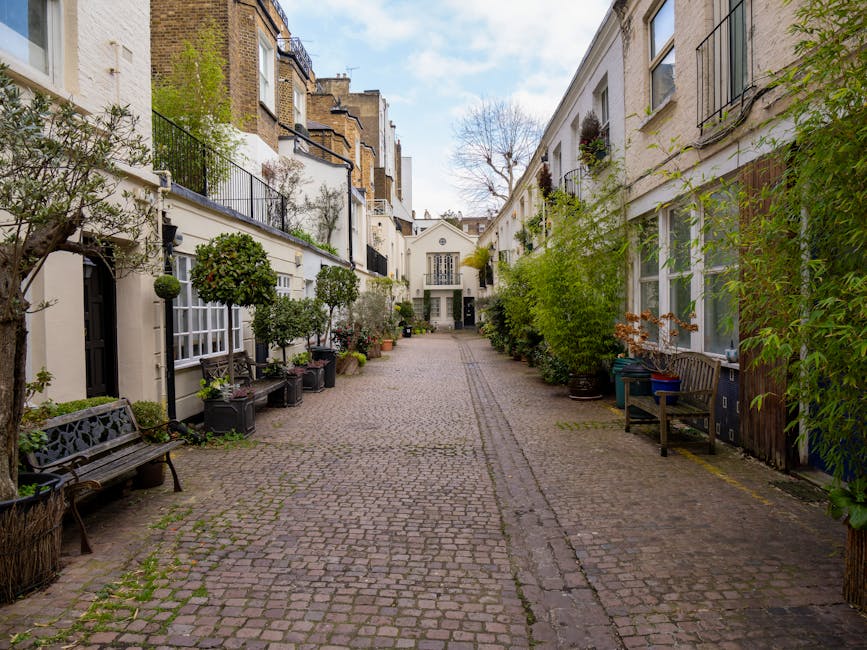
Common problems when hiring gardeners in Soho mews and terraces
Hiring a gardener in Soho mews and terraces sounds simple enough. You want tidy borders, healthier planting, and maybe a courtyard that does not look forgotten every time the weather turns. But in practice, this part of central London throws up its own set of headaches. Access can be awkward, storage is tight, neighbours are close by, and many small gardens need more care than they first appear to need.
That is why Common problems when hiring gardeners in Soho mews and terraces is not just a phrase; it is a real local issue with very practical consequences. The wrong hire can mean missed visits, poor plant choices, muddy mess in a narrow passageway, or work that looks rushed and does not last. The right hire, on the other hand, makes a compact outside space feel calm, useful, and properly looked after.
In this guide, we will walk through the most common problems, why they happen, how to spot them early, and what a sensible hiring process looks like. You will also find a checklist, a comparison table, and a realistic example from a Soho-style property setup. Let's face it, when the garden is small and the margins for error are even smaller, choosing carefully matters a lot.
Table of Contents
- Why these hiring problems matter in Soho mews and terraces
- How hiring usually works in these properties
- Key benefits of getting the right gardener
- Who this is for and when it makes sense
- Step-by-step guidance for choosing well
- Expert tips for better results
- Common mistakes to avoid
- Tools, resources and recommendations
- Law, compliance, standards and best practice
- Options, methods and comparison table
- Case study or real-world example
- Practical checklist
- Conclusion
- Frequently asked questions
Why Common problems when hiring gardeners in Soho mews and terraces Matters
Soho mews and terraces are not the same as a roomy suburban plot with wide side access and a shed full of tools. They are often compact, partly enclosed, and shared with neighbours, tenants, or building managers. That changes everything.
The biggest reason this matters is simple: small mistakes become obvious very quickly. A gardener who brings the wrong equipment can damage paving or struggle to fit through access points. A team that does not understand container planting can overwater one week and underwater the next. And a contractor who treats a terrace like a generic garden may miss the details that keep it looking polished rather than cramped.
There is also the issue of pace. In central London, work often needs to be efficient, tidy, and considerate. Noise, waste removal, and timing all matter. If a gardener leaves cuttings in bags by the back gate or drags soil across shared flooring, the inconvenience is not minor. It is the kind of thing people remember. Not in a good way.
For landlords, residents, and property managers, these issues also affect value and reputation. A neglected terrace can make a property feel tired. A well-kept one makes a surprisingly big difference, especially in a neighbourhood where outdoor space is at a premium.
Practical takeaway: in Soho mews and terraces, hiring is not just about gardening skill. It is about fit, access, discretion, consistency, and an eye for detail.
How Common problems when hiring gardeners in Soho mews and terraces Works
The hiring process often starts with a simple request: mow, trim, clear, maintain, maybe reshape the space a little. But in these properties, the process should be more like a careful assessment. What looks like a basic job can actually involve several layers: plant health, drainage, access, waste handling, and ongoing maintenance planning.
Here is where problems usually begin. The gardener arrives with assumptions. Perhaps they expect a larger garden with direct access. Perhaps they do not factor in residents' schedules or building restrictions. Maybe they quote quickly from photos without seeing the site in person, then discover the terrace has awkward steps, narrow doors, or a basement light well that needs careful handling. Truth be told, that is where a lot of friction starts.
The best local gardeners usually work in a more structured way:
- They assess the layout, access points, and surfaces before starting.
- They identify whether the job is maintenance, clearance, pruning, planting, or a mix.
- They agree on frequency, timing, and what "finished" actually means.
- They explain what will be done with clippings, soil, and green waste.
- They confirm any special care needed for pots, irrigation, decking, or delicate planting.
That last point matters more than people think. A terrace with container plants behaves differently from a garden border. Compost dries out faster, wind exposure is higher, and the surfaces below may be more vulnerable. In a mews, space for equipment is tight and the route in and out can shape what work is practical on the day.
If a gardener is used to broad lawns and open borders, they may still be good at their trade, but they might not be the right fit without a clear briefing. Hiring successfully is often about reducing surprises before the first visit even happens.
Key Benefits and Practical Advantages
It may sound obvious, but getting the right gardener is not just about making things look pretty. In Soho mews and terraces, the practical benefits are often what people value most after the first few months.
- Less disruption: a good gardener works quietly, tidily, and with an awareness of neighbours and shared spaces.
- Better plant survival: the right watering, pruning, and feeding routine stops expensive mistakes.
- Smarter use of small space: compact gardens need sharp thinking, not random trimming.
- Cleaner finishes: patios, steps, planters, and edging all look better when the work is precise.
- Fewer repeat problems: weeds, dead growth, and overgrown climbers are easier to manage when handled consistently.
- More confidence: you do not have to wonder whether the person turning up knows what they are doing.
There is a more subtle benefit too. A well-managed terrace or mews garden makes daily life feel better. You notice it in the morning when the space is neat and fresh, and again in the evening when the area still feels calm rather than cluttered. Small space, big effect.
If the garden is part of a rental property or managed building, the right gardener can also help maintain a predictable standard. That avoids the classic pattern of overgrowth, panic booking, then heavy-handed work that leaves the space looking stripped back rather than cared for.
For more structured support, it may help to review a provider's garden services overview alongside the practical details of ongoing garden maintenance. When the service list is clear, expectations are easier to manage.
Who This Is For and When It Makes Sense
This topic matters to more people than you might expect. It is not just for homeowners with a small courtyard and a few pots by the wall.
- Residents who want regular upkeep without hiring more often than necessary.
- Landlords who need the garden to stay presentable between tenancies or inspections.
- Property managers dealing with shared access, neighbour concerns, or concierge-style arrangements.
- Busy professionals who want a polished outdoor space but have no time to manage it week by week.
- Businesses with a small frontage, courtyard, or planted terrace that forms part of the customer experience.
It makes the most sense to think carefully before hiring if the garden includes any of the following: mature hedges, climbing plants, built-in planters, decking, awkward access, a strong privacy need, or plants that need seasonal attention. The more specialised the space, the less useful a generic quote becomes.
In some cases, the right answer is not a one-off tidy-up but a plan for ongoing care. In others, it is a targeted job such as hedge trimming, lawn mowing, or even garden clearance after a period of neglect. The mistake is choosing the format first and the job second.
Step-by-Step Guidance
If you want to avoid the common traps, use a proper process. Not fancy. Just sensible. And yes, that makes a real difference.
1. Define the garden's actual needs
Start by listing what the space needs now, not what you hope it might need in six months. Do you need pruning, weed control, planting refresh, surface cleaning, clearance, or a recurring maintenance visit? A terrace can look tidy yet still need a lot of hidden work beneath the surface.
2. Check access before anything else
Ask how tools, waste, and materials will get in and out. In Soho mews, access is often the deciding factor. Narrow routes and limited parking can affect timing, equipment choice, and labour needs. If a provider avoids this conversation, that is a small warning sign already.
3. Ask how they handle small-space gardening
Good gardeners should be able to explain how they work around compact borders, containers, climbing plants, and paved surfaces. If they talk only about mowing and hedging, they may not be thinking in the right way for a terrace job.
4. Discuss timing and noise
Central London living means being considerate. A gardener should be realistic about arrival times, noisy tools, and how long the job will take. A rushed early start on a quiet mews can annoy people before the work is even underway.
5. Confirm waste handling
This is one of the most overlooked problems. Where will green waste go? Will it be bagged, removed, composted, or taken away as part of the service? A neat finish includes the removal of mess, not just the cutting itself.
6. Agree the finish standard
What does "done" mean? Edges clipped neatly? Pots wiped down? Leaves removed from steps? The more precise you are, the less room there is for disappointment later.
7. Set review points for ongoing work
For repeat maintenance, build in a simple review after a few visits. If one area keeps being missed, or a plant is struggling, adjust the plan early. That is much easier than waiting until things are clearly off track.
Expert Tips for Better Results
Here is the part people often skip, and then regret.
Use photos, but do not rely on them alone. A few well-lit images are useful for first contact, yet they never tell the whole story. A damp corner, a tight doorway, or a delicate surface can change the job completely.
Ask what they would do first. A strong gardener will usually have a clear sequence in mind: assess, cut back, clear, shape, then tidy. If the answer is vague, the work may be too.
Look for signs of judgement, not just effort. Plenty of people can cut things down. Fewer can tell you what should be left alone. That distinction matters a lot in mature planting or compact spaces where one wrong cut changes the whole balance.
Think about seasonal rhythm. Spring growth, summer watering, autumn leaf fall, winter structure. The right maintenance plan changes with the season. A terrace that looks fine in August may need very different care by November.
Prioritise communication over speed. Fast is fine when it is also clear. Fast without clarity tends to create callbacks, and nobody enjoys that. Not really.
If you are comparing providers, it is worth asking about service standards, public-facing policies, and how they approach matters like safety and payment. Pages such as insurance and safety, health and safety policy, and payment and security can tell you a lot about how seriously a business takes the practical side of the job.
Expert summary: the best gardener for a Soho mews or terrace is not necessarily the biggest team or the cheapest quote. It is the one who understands access, detail, timing, and how a small space behaves over time.
Common Mistakes to Avoid
The same mistakes come up again and again. Avoiding them can save time, money, and a fair bit of irritation.
- Choosing only on price. A low quote can hide rushed work, limited visits, or extra charges later.
- Assuming all gardens are similar. A terrace with planters is not the same as a border garden in the suburbs.
- Not mentioning access issues. This causes delays, frustration, and sometimes the wrong equipment being brought on site.
- Skipping the site walk-through. A quick conversation is rarely enough for awkward or detailed spaces.
- Ignoring waste removal. A garden can look half-finished if the cuttings stay put.
- Failing to set expectations on maintenance. If the brief is "tidy it up," the result may not match your idea of tidy.
- Hiring without checking insurance or safety practices. This is not the place to be casual.
One surprisingly common mistake is over-specifying the job and under-specifying the outcome. People say exactly which plants to prune but never explain the overall look they want. So the work gets completed, yet somehow the space still feels wrong. Annoying, but avoidable.
Another is forgetting that compact gardens often need more skill, not less. Small spaces show every cut and every decision. There is nowhere to hide an uneven line or a badly chosen plant. Nowhere at all.
Tools, Resources and Recommendations
You do not need specialist knowledge to ask smart questions. A basic checklist, a few photos, and a clear idea of how you use the space will take you a long way.
Useful things to have ready before you request quotes:
- Recent photos of each part of the garden
- A note about access routes and any restrictions
- Details of what you want maintained or removed
- Information on watering, irrigation, or existing planter care
- Your preferred visit frequency
- Any concerns about noise, neighbour access, or timing
It also helps to review the provider's own service information before booking. For example, if you need one-off work, garden clearance may be more appropriate than a generic tidy-up. If you have structured planting and surfaces to protect, landscaping or landscape gardening may be a better fit. And if the job is mostly routine upkeep, a recurring maintenance arrangement is usually more sensible.
A small but helpful recommendation: keep one simple note after each visit. What was done, what was missed, what needs attention next time. It sounds almost too basic, but for ongoing jobs it can make communication much smoother.
Law, Compliance, Standards and Best Practice
This is not legal advice, but it is wise to treat gardening work like any other service that can involve property damage, public access, waste handling, and worker safety. In London, where spaces can be tight and shared, that practical caution matters.
Good practice usually includes:
- clear written scope of work
- agreed timing and access arrangements
- appropriate insurance for the work being done
- safe handling of tools and plant waste
- respect for neighbours, shared entrances, and common areas
- careful treatment of surfaces, plants, and fixtures
If tree work is involved, extra care is needed. Anything beyond routine pruning should be discussed carefully, and it may fall under more specialist handling. For larger or riskier work, a service such as tree lopping and removal is the type of support you would review separately rather than folding into a general maintenance visit.
It is also sensible to check published business policies when comparing providers. Clear information on complaints, privacy, accessibility, and sustainability often signals better organisation overall. Pages like complaints procedure, privacy policy, accessibility statement, and recycling and sustainability can help you understand how the business handles its responsibilities.
Best practice is not about bureaucracy for its own sake. It is about making sure the work is safe, predictable, and respectful in a setting where small issues become visible quickly. That is the reality.
Options, Methods and Comparison Table
Not every garden needs the same kind of help. The right method depends on how the space is used, how much time you have, and how much structure it already has.
| Approach | Best for | Strengths | Possible drawbacks |
|---|---|---|---|
| One-off tidy-up | Overgrown terraces, seasonal reset, pre-event refresh | Quick improvement, clear outcome | Can be short-lived without follow-up |
| Regular maintenance | Occupied homes, managed properties, planted courtyards | Consistency, better plant health, less stress | Needs a dependable routine |
| Targeted specialist work | Hedges, heavy clearance, specific planting or surfaces | Better results for a defined task | May require more planning or separate visits |
| Design-led improvement | Spaces that feel tired, awkward, or underused | Better layout and long-term use | More planning and usually a larger scope |
If you are unsure which route fits, ask yourself one blunt question: do you need the garden to be fixed once, or maintained well over time? That question cuts through a lot of confusion. A lot, actually.
For some Soho properties, a hybrid approach works best. A heavier first visit, then lighter ongoing care. That often gives the cleanest long-term result without overpaying for repeated intensive work.
Case Study or Real-World Example
Here is a realistic example based on the kind of situation people often face in mews and terrace properties.
A resident has a small courtyard behind a period terrace. The space has two raised planters, a narrow passage, uneven old paving, and a climbing plant that has started to press against a side wall. They booked a gardener before, but the experience was patchy: one team trimmed too much, another left clippings behind, and a third arrived without a plan for access.
This time, they handled the hire differently. They sent photos, explained the narrow access, and asked how the gardener would deal with waste. They also requested a plan for the climber, because it was providing privacy and they did not want it stripped bare.
The result was better, not because the job was dramatic, but because the approach was careful. The gardener arrived with appropriate tools, protected the paving, worked around the access issue, and left the space tidy. The climber was shaped, not butchered. The planters were refreshed rather than emptied. Simple. Sensible. Effective.
That is really the lesson here. In a small London garden, good outcomes usually come from better questions up front, not heroic effort on the day.
Practical Checklist
Use this before you hire anyone.
- Have I described the garden clearly, including size and layout?
- Have I mentioned narrow access, stairs, or shared entrances?
- Do I know whether I need maintenance, clearance, trimming, or design help?
- Have I asked how waste will be handled?
- Have I checked that the gardener understands small-space work?
- Have I agreed the timing, visit length, and finish standard?
- Have I asked about insurance and safety practices?
- Do I know whether the work is one-off or ongoing?
- Have I reviewed the provider's service information and relevant policies?
- Have I confirmed who to contact if something is missed or goes wrong?
If you can tick most of those off, you are already ahead of the usual process. That sounds boring, but boring is good when the garden is delicate and the neighbours are close by.
Conclusion
The common problems when hiring gardeners in Soho mews and terraces usually come down to the same handful of things: poor access planning, vague expectations, unsuitable equipment, weak communication, and a lack of understanding about compact urban gardens. None of those problems is dramatic on its own. Together, though, they can make a small garden more frustrating than enjoyable.
The good news is that most of these issues are avoidable. If you define the job clearly, ask the right questions, and choose a gardener who understands the demands of central London properties, you will usually get a much better result. A neat terrace, a healthy courtyard, a mews garden that feels calm rather than cramped - that is absolutely achievable.
Get a free quote today and see how much you can save.
And if you are still weighing things up, take your time. A thoughtful choice now is often the difference between a space that just gets cut back and one that genuinely feels looked after.
Frequently Asked Questions
What are the most common problems when hiring gardeners in Soho mews and terraces?
The biggest issues are poor access planning, vague quotes, limited understanding of small-space planting, weak waste removal, and work that does not match the property's layout. In compact central London spaces, those problems show quickly.
Why is hiring a gardener for a terrace different from hiring one for a larger garden?
Terraces usually have tighter access, more hard surfaces, more neighbours nearby, and less room for tools or storage. That means the gardener needs better judgement, cleaner methods, and a more tailored approach.
Should I choose a one-off tidy-up or regular maintenance?
If the space needs ongoing care, regular maintenance is usually the smarter choice. If the garden is simply overgrown or needs a seasonal reset, a one-off tidy-up or clearance may be enough. It depends on the condition of the space and how you use it.
How do I know if a gardener understands small central London gardens?
Ask how they handle access, waste, containers, paving protection, and neighbour considerations. A good answer will sound specific, not generic. They should be able to explain how they would work in a tight, shared or awkward space.
What should be included in a gardener's quote?
The quote should ideally explain the scope of work, the visit length or frequency, how waste will be handled, and any assumptions about access. If a quote is very brief, ask for more detail before agreeing.
Do gardeners in Soho mews and terraces need special equipment?
Often, yes. Smaller, more flexible tools can be more useful than large machines. The right equipment depends on the layout, but a gardener should be able to explain what they will bring and why.
Is it normal to ask about insurance and safety?
Yes, absolutely. It is sensible and professional. Any gardener working around property, shared access, tools, and potentially delicate surfaces should be able to explain their safety approach and insurance arrangements.
What if my garden includes hedges, climbers, or trees?
That usually means you need a more specialised discussion. Hedges may need structured trimming, climbers need careful shaping, and trees may require separate assessment. In some cases, specialist services are the better fit.
How often should a small terrace garden be maintained?
There is no single rule, because it depends on planting and usage. Many terrace gardens benefit from regular seasonal attention, while some need more frequent visits during periods of rapid growth. The key is consistency, not overdoing it.
What if I want the garden to look tidy but still natural?
Say that clearly. "Tidy but natural" is a useful brief, but it should be followed with examples if possible. For instance, you might want softer edges, restrained pruning, and planting kept full rather than heavily cut back.
Can a gardener help with both maintenance and larger improvements?
Often yes, but not always in one visit. Some jobs are best handled as ongoing maintenance, while bigger changes may fall under landscaping or landscape gardening. It helps to separate the goals before the work starts.
What should I do if I am unhappy with the work?
Raise it promptly and calmly, and refer to the agreed scope and finish standard. Good providers should have a clear complaints process. It is much easier to resolve issues when expectations were written down at the start.