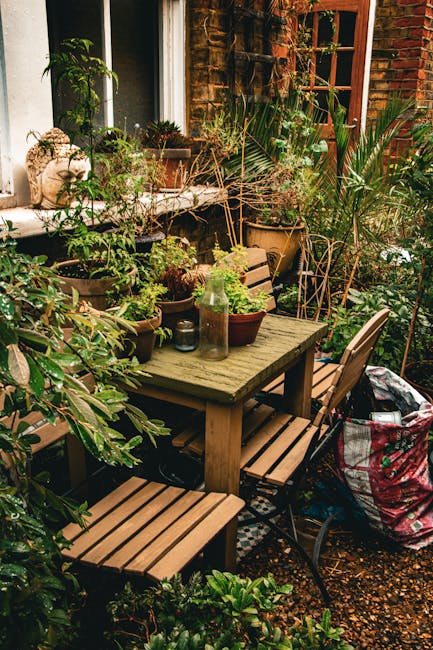
Same day gardeners in Soho emergency garden clearance: fast, calm help when your garden needs clearing now
If you are dealing with a sudden garden mess, unsafe waste pile-up, storm debris, or an outdoor space that simply cannot wait until next week, same day gardeners in Soho emergency garden clearance can be the difference between chaos and control. In Soho, where space is tight and access can be awkward, a quick response matters even more. One broken branch, a toppled planter, or a rushed tenant handover can turn into a bigger problem than it first looks.
This guide explains what emergency garden clearance actually involves, when it makes sense, how the process usually works, and what to check before booking. It also covers practical safety points, likely service options, and common mistakes to avoid. If you need a fast, sensible fix rather than a vague promise, you are in the right place.
Expert summary: emergency clearance is not just about speed. It is about removing hazards, restoring access, and leaving the space safe enough to use again without cutting corners. To be fair, that is what most people really want on the day.
Why Same day gardeners in Soho emergency garden clearance Matters
Garden problems rarely happen at a convenient time. A tree limb comes down overnight, wind scatters debris across a small courtyard, or a landlord gets a call that the outdoor area is blocked before an inspection. In a dense part of London like Soho, those issues can quickly become access problems, nuisance issues, or safety risks for residents, visitors, and staff.
Emergency garden clearance matters because it handles the things that should not be left to "later". That might mean sharp broken branches, rotting bags of green waste, slippery leaves, unstable planters, tangled growth near walkways, or accumulated rubbish mixed in with garden debris. The goal is simple: reduce risk and make the space manageable again.
There is also a practical side to it. Soho properties often have limited rear access, narrow side passages, shared entrances, and time-sensitive use of outdoor areas. If a space has to be returned to order before the evening, before guests arrive, or before contractors turn up the next morning, a same day response is not a luxury. It is the sensible option.
Useful link: if the job is more than a quick tidy-up and needs a fuller reset, you may want to look at professional garden clearance as part of a broader plan.
How Same day gardeners in Soho emergency garden clearance Works
In practice, same day clearance usually starts with a fast assessment. You explain what has happened, what the space looks like, and whether there are hazards such as broken glass, unstable branches, blocked pathways, or waterlogged waste. A good response should focus first on safety and access, not cosmetic tidying. That order matters.
Once the situation is understood, the team can decide what equipment and labour are needed. For a simple clearance, it may be straightforward: collect debris, cut back obstructive growth, bag waste, and remove it. For a more awkward job, the process might include dismantling waste piles, manual loading from a restricted access point, and sorting green waste from general rubbish so it can be disposed of responsibly.
Because same day work is time-sensitive, the service often prioritises the most urgent areas first. For example, the front path may be cleared before the back bed, or the broken branch may be removed before anything else is tackled. That may sound obvious, but it is exactly what you want in an emergency. No drama, just getting on with it.
Many emergency clearances also involve a quick follow-up recommendation. You might be told that the garden is safe now, but that hedge growth, lawn recovery, or tree work should be booked next to stop the issue returning. If you want regular support after the urgent job, it can help to combine it with garden maintenance or related services such as hedge trimming and lawn mowing.
Key Benefits and Practical Advantages
The first benefit is obvious: speed. When something needs sorting the same day, waiting is not helpful. But speed is only part of the value. A good emergency clearance reduces the chance of slips, trips, pest issues, blocked access, and complaints from neighbours or building managers.
Another advantage is mental relief. Anyone who has stared at a messy yard, courtyard, or back garden after a difficult week knows the feeling. The space starts to feel heavier than it should. Getting it cleared quickly can be oddly calming. Not glamorous, admittedly, but calm is underrated.
There is also the benefit of making the space usable again. A cluttered outdoor area can affect everything from deliveries to bin access to event preparation. In short, an emergency clearance can help you get on with life rather than planning around the mess.
In some cases, quick clearance also protects surfaces and structures. Debris left against fencing, decking, or walls can trap moisture, encourage staining, and make damage harder to spot. If the issue has spread into a larger landscaping problem, it may be worth looking at landscaping support or even decking services if timber features need inspection after a storm or heavy debris build-up.
| Benefit | What it means in real life | Why it matters in Soho |
|---|---|---|
| Fast response | Problems are tackled the same day | Small spaces can become unusable very quickly |
| Safer access | Paths and entrances are cleared | Narrow access routes need to stay open |
| Less stress | The mess is handled professionally | Time pressure is common in central London |
| Better disposal | Waste is removed properly | Green waste and mixed waste need separating carefully |
Who This Is For and When It Makes Sense
Same day emergency garden clearance is not just for dramatic storm damage. It makes sense any time the outdoor space has become urgent rather than merely untidy.
Typical situations include:
- broken branches or fallen debris after strong wind
- overgrown access routes that are blocking entry or exit
- bins, bags, or garden waste piled where they should not be
- courtyard or patio areas needing a rapid reset before a viewing
- tenant move-outs where the outside area was left in a poor state
- small commercial premises needing outdoor clearance before opening
- general mess that creates a slip or trip hazard
This service is also a good fit if you manage property and need a quick, tidy result without waiting for a longer maintenance schedule. In Soho, where buildings may have shared spaces and close neighbours, a fast turnaround can avoid a lot of awkward conversations. Truth be told, nobody enjoys explaining why the rear passage still looks like a dumping ground two days later.
If the issue is not quite an emergency but still needs prompt attention, a same-day call can still be worthwhile. You do not need to wait until the space becomes unsafe. Sometimes the best move is simply to prevent a bigger job later.
Step-by-Step Guidance
If you are arranging urgent clearance, here is a practical way to approach it without losing time.
- Identify the main problem. Is it waste, branches, overgrowth, or mixed debris? Focus on the hazard first.
- Check access. Note whether there is front, rear, side, or courtyard access, and whether there are any gates, stairs, or narrow passages.
- Take a few clear photos. This helps describe the job accurately and avoids back-and-forth.
- Separate urgent from non-urgent work. Decide what must be done today and what can wait.
- Ask what removal includes. Make sure green waste, bulky items, and mixed rubbish are all discussed upfront.
- Confirm timing. Same day means different things to different people. Morning, afternoon, or before a set deadline? Be specific.
- Ask about disposal and cleanup. You want the area cleared, not just shifted into another corner.
- Check follow-up needs. If the garden will need a second visit for maintenance or larger work, get that flagged early.
A small but useful detail: in tight London spaces, access often affects the real cost and speed more than the size of the garden itself. A modest courtyard with awkward steps can take longer than a bigger open plot. It sounds unfair, but that is just the reality of the job.
If the problem began with damaged trees or dangerous overhanging growth, the issue may involve tree lopping and removal rather than clearance alone. That distinction matters because a branch risk needs proper handling, not just a rake and a bin bag.
Expert Tips for Better Results
First, be very clear about what you want removed. Saying "the garden's a mess" is understandable, but a better description saves time. Mention branches, soil bags, broken pots, furniture, brambles, or anything that might need manual lifting.
Second, tell the team about access issues before they arrive. A locked gate, a neighbour's shared passage, or a steep basement step can change the whole job plan. Better to say it early than have someone standing outside with a loaded sack and nowhere to go. That happens, more than you'd think.
Third, if you are worried about repeat growth, ask for simple next steps. Emergency clearance solves the immediate issue, but a neat space often needs ongoing care to stay that way. A follow-on visit for garden maintenance can make a noticeable difference.
Fourth, ask whether waste will be separated for recycling where possible. Responsible disposal is not just a nice extra; it is part of decent service. If sustainability matters to you, it is worth asking how the cleared material will be handled. The page on recycling and sustainability is a useful reference point for this kind of expectation.
And one more thing. Keep pets and children away from the work area until the clearance is finished. It sounds obvious, but in the middle of a busy day, obvious things get missed.
Common Mistakes to Avoid
A lot of emergency jobs become harder than they should be because of a few preventable mistakes.
- Leaving the call too late. If the garden is already blocking access, do not wait another day hoping it will sort itself out.
- Under-describing the job. A vague description can lead to the wrong equipment or too little time being booked.
- Mixing hazardous items into general waste. Glass, sharp metal, and heavy rubble need proper handling.
- Ignoring access details. Soho properties can be awkward. Small mistakes here can cause big delays.
- Assuming clearance equals ongoing maintenance. It does not. If the root cause is overgrowth, you may need a maintenance plan.
- Not checking disposal expectations. A proper clearance should include sensible removal, not just gathering waste into a pile.
One common issue is the "we'll just drag it to the side for now" approach. Fine for five minutes, not fine as a strategy. If the job needs clearing, it needs clearing. Simple as that.
Tools, Resources and Recommendations
A professional emergency clearance usually relies on a mix of hand tools, lifting equipment, bags, protective gear, and transport for waste removal. The exact setup depends on the job, but the aim is always the same: work quickly without making the area messier or less safe.
For readers trying to assess what a good service should have, look for practical signs rather than fancy language. Do they talk about access? Do they ask what kind of waste is present? Do they mention safety and disposal? Those are the questions that suggest real experience.
Useful things to have ready before the team arrives:
- photos of the problem area
- gate codes or access instructions
- information about parking or loading space
- details of any delicate planting or surfaces to avoid
- the deadline for clearing the space
It can also help to know which follow-up service you may need once the urgent mess is gone. For example, if the area needs a reset after clearance, landscape gardening may be the better next step. If a boundary hedge has grown into the problem, then hedge trimming could restore shape and access.
Law, Compliance, Standards, or Best Practice
For emergency garden clearance in the UK, the big concerns are safety, responsible waste handling, and avoiding damage to neighbouring property. You do not need a law degree to make sensible choices, thankfully. But a few best-practice points are worth keeping in mind.
Waste should be handled carefully and disposed of properly, especially if the clearance includes mixed materials rather than only green waste. If sharp debris, broken containers, or heavy items are involved, the work should be planned so nobody is put at unnecessary risk. Good practice usually means clear communication about what will be taken away and what is not included.
If a tree, branch, or large woody stem is involved, that may move the job beyond simple clearance and into tree work. In those cases, proper cutting methods, safe handling, and awareness of nearby structures become important. The same is true if the garden contains decking, edging, or hard landscaping features that could be damaged during a rushed clean-up.
Reputable services should also be transparent about insurance and safety arrangements. If you are comparing providers, it is sensible to ask how they approach risk, what happens if access is difficult, and how they manage unexpected issues on site. The page on insurance and safety is a sensible reference if you want to understand the expectations around that area.
Finally, if you are a landlord, managing agent, or business owner, it is worth keeping records of the work carried out, especially when the clearance is time-sensitive or linked to an inspection. Not because paperwork is exciting. It really isn't. But because clarity helps later.
Options, Methods, or Comparison Table
Not every outdoor problem needs the same response. Choosing the right method can save money, time, and a fair bit of frustration.
| Approach | Best for | Strengths | Limitations |
|---|---|---|---|
| Same day emergency clearance | Urgent hazards, blocked access, storm debris | Fast, practical, safety-focused | May not include full garden restoration |
| Routine garden clearance | Messy but non-urgent spaces | More flexible scheduling, broader tidy-up | Not suitable when the issue cannot wait |
| Regular maintenance | Keeping growth and waste under control | Prevents repeat build-up | Does not solve immediate urgent problems alone |
| Landscape or repair work | Damaged or redesign-needed spaces | Longer-term improvement | Not the quickest fix for today's mess |
In many cases, the smart route is a combination: urgent clearance first, then maintenance or repair later. That is usually the most practical path, especially in smaller Soho gardens where one messy corner can dominate the whole space.
Case Study or Real-World Example
Here is a realistic example based on the kind of situation people often face in central London.
Late on a weekday afternoon, a Soho property manager notices that a strong gust has brought down branches into a small rear courtyard. The path to the bin store is partially blocked, a couple of planters have been knocked over, and damp leaves have made the paving slick. There is no need for a full redesign, but there is definitely a need for action before the next morning.
The first step is a short call with clear photos. The second is a same day visit focused on the most urgent issues: the blocked route, loose branches, and anything likely to cause a slip. The team clears the access point, removes the debris, bags the waste, and leaves the area safe to use again. A brief recommendation follows: the overhanging section should be checked properly, and the border growth could benefit from trimming the following week.
The result is not a perfect garden. That was never the point. The result is a safe, workable space with a clear next step. That is what good emergency clearance should do. Nothing more complicated than that, really.
Practical Checklist
Before you book or during the first call, run through this quick checklist.
- What exactly needs clearing today?
- Is anyone currently at risk from the mess or debris?
- How easy is access to the garden or courtyard?
- Are there gates, stairs, locked doors, or narrow passages?
- Is the waste mainly green waste, mixed waste, or both?
- Are there broken branches, sharp objects, or heavy items?
- Do you need the space cleared before a specific time?
- Will the job need follow-up maintenance or tree work?
- Are there surfaces or features that need extra care?
- Do you want the waste removed and disposed of, not just gathered up?
If you can answer those points clearly, the whole process tends to go smoother. A lot smoother.
Conclusion
Same day gardeners in Soho emergency garden clearance is about more than getting a quick response. It is about restoring order, protecting access, and taking a sensible first step when a garden has become a problem rather than a place to enjoy. In a busy, compact area like Soho, that kind of practical help can make a real difference within hours, not days.
The best results usually come from clear communication, realistic expectations, and a focus on safety first, appearance second. Once the urgent mess is gone, you can decide whether the next step is maintenance, trimming, disposal support, or a more complete garden refresh. That part can wait until the immediate pressure is off.
If you are weighing up your options, explore the wider services overview and then choose the next step that best fits your space, your schedule, and your peace of mind.
Get a free quote today and see how much you can save.
Sometimes the most reassuring thing is simply getting the space back to normal before the day runs away from you.
Frequently Asked Questions
What counts as an emergency garden clearance in Soho?
An emergency clearance usually means the garden has become unsafe, blocked, or urgently messy in a way that cannot reasonably wait. Examples include fallen branches, obstructed access, slippery debris, or waste left in a shared outdoor area.
Can same day gardeners in Soho really come out on the same day?
Often, yes, if the workload and access allow it. Same day usually depends on how early you call, the size of the job, and whether the space can be reached easily. The more precise your description, the better.
How do I describe the job so I get the right help?
Say what is in the garden, what has caused the problem, how urgent it is, and how easy the access is. Photos help a lot. Mention branches, waste bags, broken objects, overgrowth, and any time deadline.
Is emergency garden clearance the same as regular garden maintenance?
No. Emergency clearance is about urgent removal of hazards or mess. Regular maintenance is about keeping growth and waste under control over time. They overlap a little, but they serve different needs.
What if the problem includes a dangerous tree branch?
If a branch looks unstable or has fallen from a tree, it may need more than simple clearance. In that case, tree-focused work may be required, alongside safe removal of debris from the garden itself.
Will the team remove all the waste?
That depends on the job agreement, so it is best to ask clearly. A proper emergency clearance should include removal of the cleared material, not just piling it somewhere else.
Is same day clearance more expensive than a normal booking?
It can be, because urgent work may involve quicker mobilisation and more immediate labour. That said, the real value often comes from avoiding damage, complaints, or further delays. You will usually want a clear quote before work begins.
What should I do before the gardeners arrive?
Unlock access where possible, move pets away, send photos if asked, and make sure any important features or fragile plants are pointed out. If there are parking or entry restrictions, mention them early.
Can emergency clearance help after storm damage?
Yes. Storms often leave fallen branches, wet leaves, scattered pots, and blocked paths. Emergency clearance is a sensible first response when the space needs to be made safe and usable again.
What if my garden is in a very tight Soho courtyard?
That is common enough in central London. Tight access does not prevent clearance, but it does mean the job may need more careful planning and manual handling. Mention the access details from the start so the right approach can be used.
Do I need to think about recycling or disposal standards?
Yes, especially if the clearance includes mixed waste. Green waste, broken materials, and general rubbish should be handled properly. If sustainability matters to you, ask how the waste will be sorted and removed.
What is the next step after the urgent clearance is done?
Once the immediate problem is gone, it is worth deciding whether the garden needs trimming, maintenance, or a longer-term improvement plan. For some spaces, a one-off clearance is enough; for others, a follow-up visit makes more sense.
Whatever the situation, a fast, careful response can take a lot of pressure off your day. And honestly, sometimes that is the whole win.